
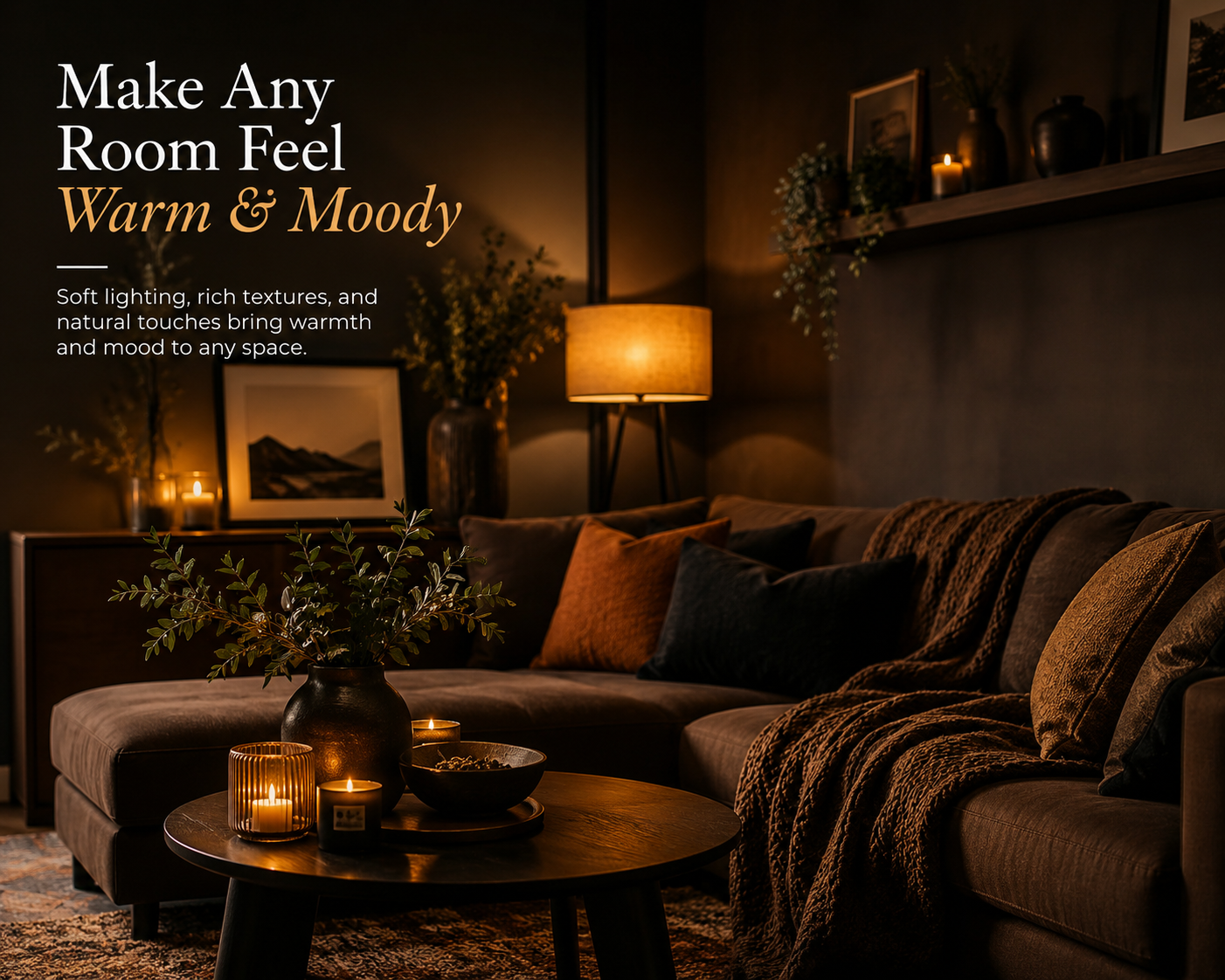
How to Make Any Room Feel Warm and Moody
Warm and moody room is one of the easiest ways to make your home feel inviting, relaxing, and full of personality. Whether you’re decorating a living room, bedroom, dining area, or home office, the right combination of colors, lighting, textures, and furniture can completely transform your space.
Unlike bright minimalist interiors, a warm and moody design embraces rich colors, soft lighting, layered textures, and natural materials to create a comfortable atmosphere that feels elegant without being overwhelming.
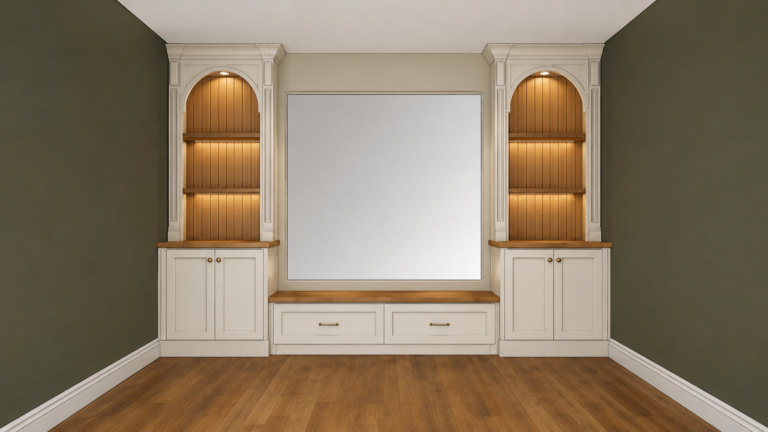
warm and moody room ideas
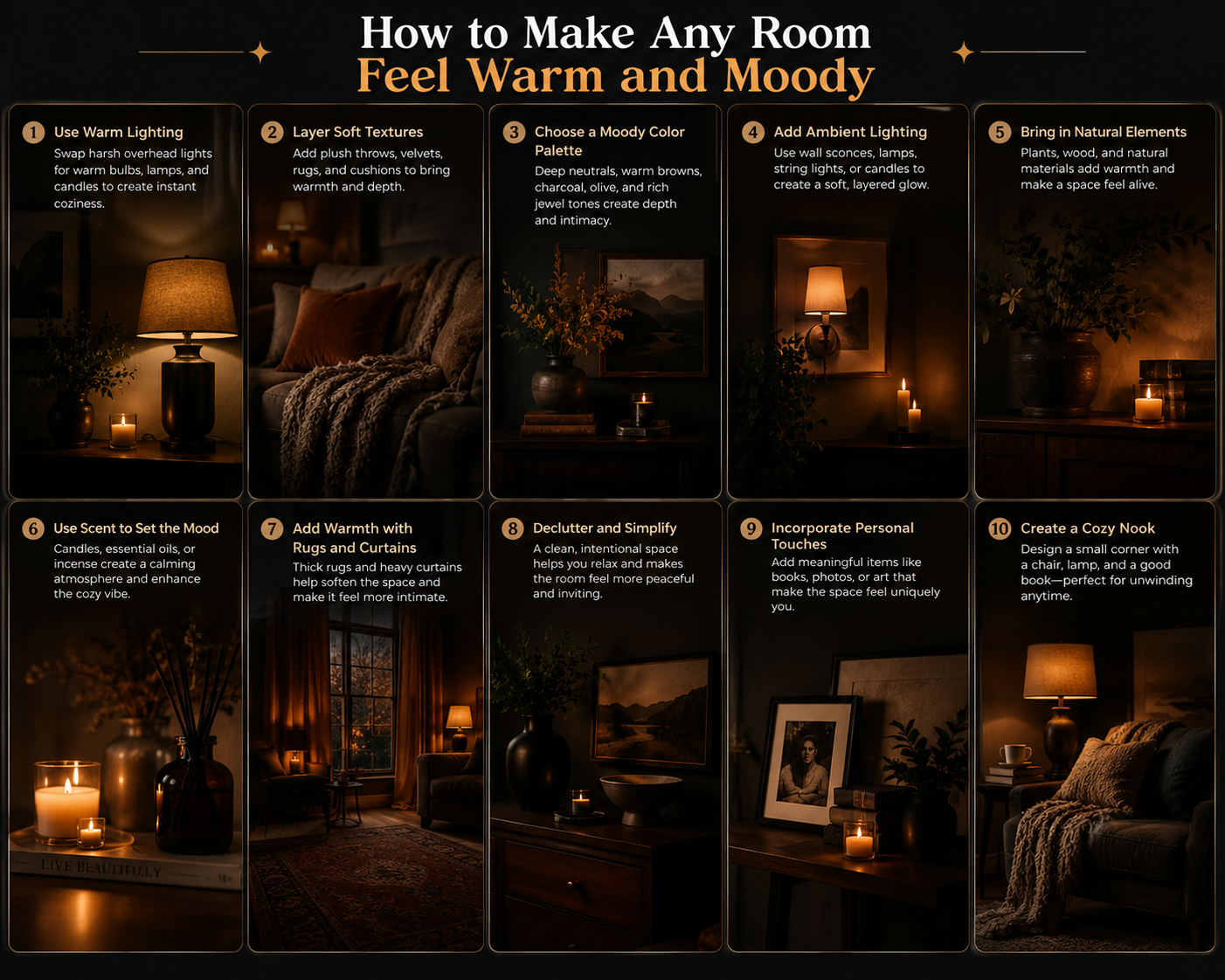
What Is a Warm and Moody Interior?
A warm and moody interior uses darker shades, earthy colors, soft lighting, and layered textures to create depth and comfort. Instead of relying on bright white walls and cool colors, this design style celebrates warmth through natural materials, rich fabrics, and ambient lighting.
Room Feel Warm Common features include:
- Earthy color palettes
- Dark accent walls
- Warm lighting
- Natural wood furniture
- Cozy textiles
- Vintage-inspired accessories
- Layered décor
The goal isn’t to make a room feel dark—it is to make it feel welcoming, relaxing, and sophisticated.
Benefits of a Warm and Moody Room
1. Creates a Cozy Atmosphere
One of the biggest advantages is comfort. Warm colors and soft lighting naturally make people feel relaxed.
Whether you’re reading a book or spending time with family, the room becomes a peaceful retreat.
2. Makes Large Spaces Feel More Inviting
Open rooms sometimes feel empty or cold.
Adding deeper colors and layered décor helps create intimacy without making the room feel cramped.
3. Adds Timeless Style
Warm and moody interiors rarely go out of fashion.
Instead of following short-lived trends, this style focuses on classic materials like:
- Wood
- Leather
- Linen
- Stone
- Brass
- Natural fibers
These elements remain stylish for years.
4. Highlights Decorative Pieces
Dark backgrounds naturally make artwork, plants, books, and decorative objects stand out.
A black shelf or deep green wall can instantly make simple décor look more luxurious.
5. Improves Relaxation
Research suggests that softer lighting and calming colors help reduce stress after a busy day.
Bedrooms and living rooms especially benefit from warm, relaxing environments.
Best Color Palette for a Warm and Moody Room
Choosing the right colors is the foundation of this design style.
Popular shades include:
- Charcoal Gray
- Forest Green
- Olive Green
- Deep Navy
- Chocolate Brown
- Terracotta
- Rust
- Burgundy
- Taupe
- Warm Beige
These colors pair beautifully with natural wood and warm lighting.
Materials That Create Warmth
Selecting the right materials is just as important as choosing colors.
Natural Wood
Wood instantly adds warmth.
Popular choices include:
- Walnut
- Oak
- Teak
- Acacia
- Reclaimed wood
Wood furniture, floating shelves, and coffee tables work especially well.
Linen
Linen curtains and pillow covers create a relaxed appearance.
Neutral linen softens darker walls and balances the room.
Velvet
Velvet brings elegance and comfort.
Consider velvet:
- Sofas
- Accent chairs
- Cushions
- Curtains
Rich colors like emerald, navy, and rust look especially luxurious.
Leather
Leather furniture adds character and ages beautifully.
Brown leather chairs or sofas work perfectly in warm interiors.
Wool
Wool rugs and blankets make rooms feel comfortable throughout the year.
They also introduce additional texture.
Stone
Stone accessories create natural contrast.
Examples include:
- Marble trays
- Travertine tables
- Slate décor
- Stone planters
Brass
Warm metallic finishes complete the look.
Use brass for:
- Lamps
- Cabinet handles
- Mirrors
- Candle holders
How Lighting Changes the Mood
Lighting is often more important than paint colors.
Avoid harsh white lighting.
Instead, choose:
- Warm LED bulbs (2700K–3000K)
- Floor lamps
- Table lamps
- Wall sconces
- Candles
- Lanterns
Layering multiple light sources creates a cozy evening atmosphere.
Choosing the Right Furniture
Furniture should feel comfortable rather than overly formal.
Look for:
- Rounded edges
- Natural wood finishes
- Upholstered seating
- Vintage-inspired pieces
- Soft fabrics
Avoid overcrowding the room.
A few well-chosen items have more impact than too many decorations.
Layer Different Textures
Texture makes a room feel interesting.
Mix materials such as:
- Knit blankets
- Linen cushions
- Leather chairs
- Wooden tables
- Ceramic vases
- Woven baskets
- Wool rugs
Combining smooth and rough surfaces creates visual depth.
Add Natural Elements
Nature helps soften darker interiors.
Try decorating with:
- Olive trees
- Snake plants
- Rubber plants
- Munster
- Eucalyptus stems
- Fresh flowers
Wood and greenery create balance.
Window Treatments
Curtains influence both light and comfort.
Choose:
- Linen curtains
- Velvet drapes
- Cotton panels
- Roman shades
Earthy colors help complete the look.
Wall Decorating Ideas
Walls shouldn’t remain empty.
Ideas include:
- Large artwork
- Framed prints
- Wooden shelves
- Vintage mirrors
- Gallery walls
- Floating shelves
Keep the color palette consistent.
Decorating the Living Room
The living room should encourage relaxation.
Focus on:
- Comfortable sofa
- Layered lighting
- Large area rug
- Wooden coffee table
- Soft throw blankets
- Decorative cushions
- Indoor plants
Keep accessories meaningful rather than excessive.
Decorating the Bedroom
Bedrooms should feel calm.
Use:
- Dark accent wall
- Soft bedding
- Linen duvet
- Warm bedside lamps
- Wooden nightstands
- Thick curtains
Avoid bright overhead lighting before bedtime.
Decorating the Dining Room
Dining rooms benefit from dramatic lighting.
Add:
- Wooden dining table
- Upholstered chairs
- Brass chandelier
- Candles
- Ceramic centerpiece
- Dark wall paint
The result feels elegant yet welcoming.
Decorating a Home Office
A cozy office improves focus.
Include:
- Wooden desk
- Comfortable chair
- Warm desk lamp
- Floating shelves
- Books
- Indoor plants
Good lighting reduces eye strain.
Seasonal Decorating Tips
Warm interiors adapt easily throughout the year.
Autumn
- Rust pillows
- Wool blankets
- Pumpkins
- Candles
Winter
- Faux fur throws
- Pine greenery
- Warm lighting
- Knit cushions
Spring
- Fresh flowers
- Light linen
- Green plants
Summer
- Cotton textiles
- Natural baskets
- Light wood accents
Common Mistakes to Avoid
Many people accidentally make moody rooms feel gloomy.
Avoid these mistakes:
- Using only dark colors
- Poor lighting
- Ignoring texture
- Too many decorative accessories
- No natural elements
- Cold white lighting
- Matching everything perfectly
Balance is key.
Budget-Friendly Ideas
You don’t need a full renovation.
Affordable upgrades include:
- New cushion covers
- Warm light bulbs
- Secondhand wooden furniture
- Decorative candles
- Indoor plants
- DIY artwork
- Woven baskets
- Throw blankets
Small changes often have the biggest impact.
Maintenance Tips
To keep your room looking beautiful:
- Dust wood furniture regularly.
- Wash textiles according to care instructions.
- Rotate cushions for even wear.
- Trim indoor plants.
- Replace burnt-out warm bulbs with matching color temperatures.
- Declutter surfaces to maintain a clean, cozy look.
Frequently Asked Questions
What colors make a Room Feel Warm and moody?
Forest green, charcoal, navy, terracotta, chocolate brown, rust, olive green, warm beige, and burgundy are excellent choices.
Can small rooms be warm and moody?
Yes. Use layered lighting, mirrors, and balanced décor to keep the room cozy without feeling cramped.
What lighting works best?
Warm white LED bulbs (2700K–3000K), table lamps, floor lamps, wall sconces, and candles create the ideal ambiance.
Which materials create the warmest look?
Natural wood, linen, wool, velvet, leather, brass, stone, cotton, and woven fibers all add warmth and texture.
Final Thoughts
A warm and moody room is more than a decorating trend—it’s a design approach that makes your home feel comfortable, timeless, and deeply personal. By combining rich colors, natural materials, layered textures, and soft lighting, you can create a space that invites relaxation while reflecting your unique style.
You don’t need to renovate your entire home to achieve this look. Start with simple updates such as warm lighting, textured fabrics, wooden accents, and a carefully chosen color palette. Over time, these thoughtful additions will transform any room into a cozy retreat that feels welcoming in every season.
Whether you’re styling a living room, bedroom, dining area, or home office, the principles remain the same: balance dark tones with warm materials, embrace natural textures, and create layers of comfort. The result is a beautiful, sophisticated space you’ll enjoy spending time in every day.

what